

See how composite bonding repairs minor gaps, chips, and uneven edges in no time. Find out why it is a low-cost, non-surgical way to enhance your smile.
Composite Bonding for Gaps and Chips: Affordable Smile Fix
Not everyone is ready to commit to veneers or braces. Some of us just want to fix that small chip we notice every time we smile in the mirror or fill the gap that always catches on parsley (and attention) when we laugh. For these kinds of issues, jumping straight into major procedures might feel like overkill.
That’s where composite bonding comes in. It’s the low-fuss option for everyday cosmetic annoyances such as chips, slight gaps, or rough edges. Think of it as a gateway to cosmetic dentistry minus the high price tag or long-term reconstruction.
This article will give you an idea of what composite bonding is, why everyone is obsessed with it, and whether it is suitable for you.
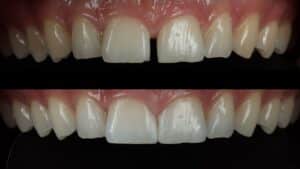
What Is Composite Bonding?
At its core, composite bonding is simple. A tooth-coloured resin is applied to your tooth, shaped to the desired look, and hardened under a special light. That’s it. It’s precise, quick, and remarkably straightforward.
There’s no cutting (in most instances), no needles, and no excessive elimination of your natural tooth composition. It’s regarded as a non-invasive dental procedure, making it a worry-free option for many.
If you’ve been reluctant about aesthetic dentistry because it seems too daunting or “irreversible,” composite bonding provides an accessible option. It’s like a soft push into the realm of grin improvement.
When Does Composite Bonding Make Sense?
Here’s where composite bonding shines:
-
Repairing chipped teeth
Whether it’s a small chip from gripping your teeth or a mishap, bonding can fix your tooth’s form in little time.
-
Sealing small openings:
Bonding fills gaps between teeth that are not necessarily suited for braces.
-
Smoothing rough edges:
on your front teeth that show up in photos.
Yet, bonding isn’t all-purpose. In case you grind your teeth or want a complete makeover, it won’t be the ideal long-term solution.
Why People Choose Bonding First
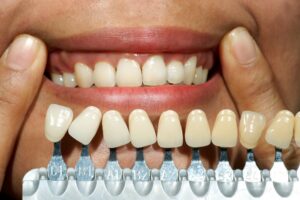
Some treatments ask for big decisions. This one doesn’t. Composite bonding works well when you want to sort out smaller things without diving into a full overhaul.
- Costs less than most – especially compared to veneers or bigger fixes
- Doesn’t drag on – a lot of cases wrap up in a single visit
- No drilling or numbing – so there’s not much to recover from as it’s non-invasive
- Fixes the bits that bother you – a chip here, a narrow gap there
It’s often where people start when they’re unsure about going all in, and for good reason.
Composite Bonding vs Veneers (or Braces)
Looking at bonding vs veneers or braces? You’re not choosing between equals, you’re choosing between different kinds of fixes.
- Cost-wise, bonding’s lighter. It won’t stretch your budget like veneers or orthodontics can.
- Little to no prep. Veneers usually need a bit of your tooth filed down. Bonding? Not so much.
- Time’s on your side. Braces and veneers take weeks or longer. Bonding often takes under an hour.
- It doesn’t last forever. Veneers hold up better over time. Bonding can smudge or chip and might require some touch-ups (only if not taken care of properly).
It’s a bit like getting a blunt haircut before determining if you want to follow completely unique fashion. Small change, big shift in how you carry yourself.
How to Care for Composite Bonding
The good news? Maintaining the bonding in good shape isn’t a difficult task and does not take much, but a few minor habits enable it to hold up better.
- It’s important you try not to bite down on pens, ice, or anything tough. It’s strong but not invincible.
- Coffee, tea, and red wine can stain — especially in the first couple of days. Best to go easy right after treatment.
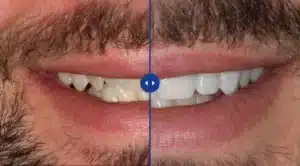
- Planning to whiten your teeth? Do that first. Whitening doesn’t affect the bonded bits.
- Like anything, it lasts longer if you’re a bit careful with it.
Cost and Value of Composite Bonding
Prices shift a bit depending on where you go and how much work’s needed, but bonding usually sits on the more affordable side of cosmetic dentistry. The number of teeth and how tricky the fixes are can push it up or down.
Its cost-effectiveness doesn’t come at the expense of results. When done by a skilled composite bonding dentist, the outcomes can match more costly procedures.
Why Composite Bonding Might Be Your Ideal Smile Fix
You may be new to cosmetic dentistry and unwilling to spend the time or money on something more long-term, such as veneers. Composite bonding is the ideal alternative. It’s fast and not invasive, making it a great starting point for affordable cosmetic dentistry
At Moody Terrace Dental Practice, we offer composite bonding for front teeth, good for filling in small gaps, smoothing chips, or just making things look a bit more even.
It’s the sort of therapy that works peacefully in the background but still makes you feel better when you notice your reflection.
Want to know how bonding might benefit you? Schedule your consultation now and judge for yourself.